

How Agricultural Machinery Hydraulic Hoses Improve Farming Equipment Performance and Reliability
2026-07-20
Article Summary
Agricultural machinery operates in some of the most demanding environments, where reliability, efficiency, and durability directly affect farming productivity. Hydraulic systems play a critical role in modern agricultural equipment, and agricultural machinery hydraulic hoses are essential components that ensure smooth power transmission between hydraulic parts. However, hose failures caused by pressure issues, environmental exposure, improper selection, or poor maintenance can lead to unexpected downtime, costly repairs, and reduced operational efficiency.
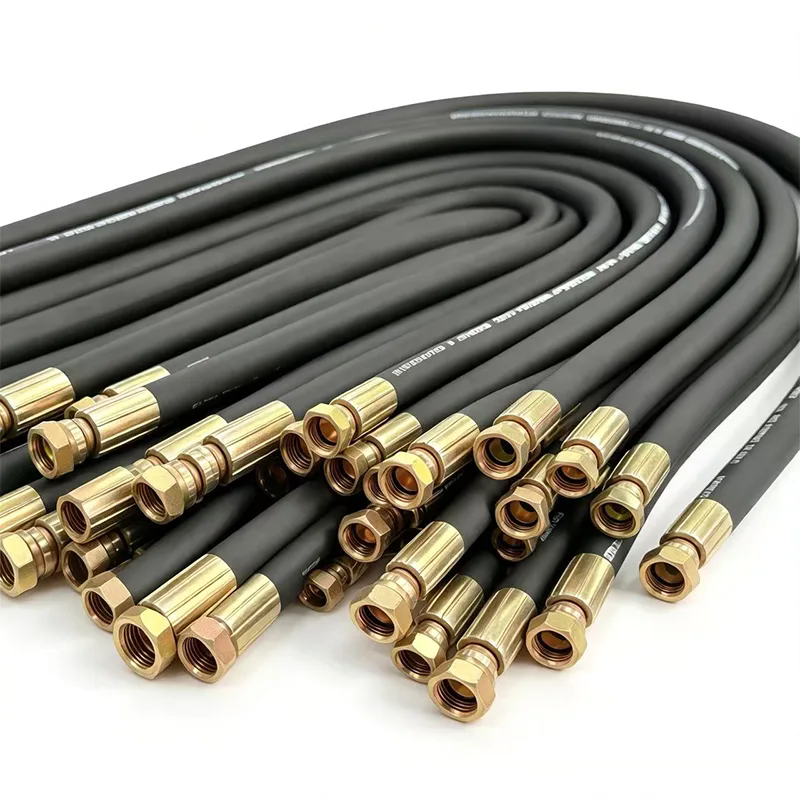
This article explains how agricultural machinery hydraulic hoses work, why they are important, what challenges farmers and equipment manufacturers face, and how to choose reliable hydraulic hose solutions. It also introduces how Hengshui Zhehan Rubber & Plastic Products Co., Ltd. provides durable hydraulic hose products designed to meet the demanding requirements of agricultural applications.
Table of Contents
- 1. Why Are Agricultural Machinery Hydraulic Hoses Important?
- 2. How Do Agricultural Machinery Hydraulic Hoses Work?
- 3. What Problems Can Hydraulic Hose Failures Cause in Farming?
- 4. How to Choose the Right Agricultural Machinery Hydraulic Hoses?
- 5. Key Advantages of High-Quality Hydraulic Hoses
- 6. How to Extend Hydraulic Hose Service Life?
- 7. Why Choose Hengshui Zhehan Rubber & Plastic Products Co., Ltd.?
- 8. Frequently Asked Questions
1. Why Are Agricultural Machinery Hydraulic Hoses Important?
Modern agricultural equipment has become increasingly dependent on hydraulic systems. Tractors, harvesters, sprayers, loaders, and other farming machines use hydraulic power to control lifting, steering, digging, harvesting, and various automated functions.
Agricultural machinery hydraulic hoses serve as flexible connections that transfer hydraulic fluid under high pressure between pumps, valves, cylinders, and actuators. Unlike rigid pipes, hydraulic hoses can absorb vibration, accommodate movement, and allow equipment components to operate smoothly.
A reliable hydraulic hose directly influences equipment performance. When hoses maintain stable pressure and prevent fluid leakage, agricultural machines can continue operating efficiently during critical farming periods such as planting and harvesting seasons.
| Application | Hydraulic Hose Function | Common Equipment |
|---|---|---|
| Power transmission | Transfers hydraulic oil between components | Tractors, combines |
| Motion control | Provides hydraulic pressure for movement | Loaders, excavators |
| Precision operation | Supports accurate machine control | Sprayers, planting equipment |
| Heavy-duty operation | Handles high pressure and vibration | Harvesting machinery |
2. How Do Agricultural Machinery Hydraulic Hoses Work?
Hydraulic hoses operate by transporting pressurized hydraulic fluid throughout an agricultural machine. The hydraulic pump generates pressure, and the hose transfers this energy to hydraulic cylinders or motors that perform mechanical actions.
A typical hydraulic hose consists of several layers designed for strength and flexibility:
- Inner tube: Provides resistance against hydraulic oil and ensures smooth fluid flow.
- Reinforcement layer: Usually made from braided wire or textile materials to withstand high pressure.
- Outer cover: Protects against abrasion, weather, chemicals, and mechanical damage.
During farming operations, hydraulic hoses experience continuous stress from pressure fluctuations, bending, vibration, temperature changes, and exposure to dust or agricultural chemicals. Therefore, hose quality directly determines the stability and safety of hydraulic systems.
3. What Problems Can Hydraulic Hose Failures Cause in Farming?
Agricultural environments create unique challenges for hydraulic components. Equipment often works for long hours under heavy loads, making hose reliability a major concern for farmers and machinery manufacturers.
| Common Problem | Main Cause | Potential Impact |
|---|---|---|
| Hydraulic oil leakage | Aging hose, damaged cover, poor installation | Environmental pollution and equipment downtime |
| Hose bursting | Excessive pressure or unsuitable hose selection | Safety risks and expensive repairs |
| Reduced flexibility | Temperature changes and material aging | Lower machine efficiency |
| Abrasion damage | Friction with machine parts | Shortened hose lifespan |
Unexpected hydraulic hose failure during busy agricultural seasons can interrupt essential operations. Choosing durable hoses and following proper maintenance procedures helps reduce these risks.
4. How to Choose the Right Agricultural Machinery Hydraulic Hoses?
Selecting suitable hydraulic hoses requires consideration of operating conditions, pressure requirements, equipment design, and environmental factors. A hose that matches the application can improve machine reliability and reduce maintenance costs.
Important factors include:
- Working pressure: The hose must safely handle the hydraulic system pressure.
- Temperature resistance: Agricultural machines may operate in extremely hot or cold conditions.
- Abrasion resistance: The outer cover should withstand contact with dust, soil, and mechanical components.
- Flexibility: Hoses should support frequent movement without cracking.
- Compatibility: Materials must be suitable for hydraulic oil and machine requirements.
| Selection Factor | Why It Matters |
|---|---|
| Pressure rating | Prevents leakage and hose rupture |
| Material quality | Improves durability and service life |
| Size accuracy | Ensures proper hydraulic flow |
| Connector quality | Provides secure installation |
5. Key Advantages of High-Quality Hydraulic Hoses
High-performance agricultural machinery hydraulic hoses provide several benefits for farming operations:
- Improved equipment reliability during long working hours.
- Reduced risk of unexpected hydraulic system failures.
- Better resistance to harsh outdoor conditions.
- Longer replacement intervals and lower maintenance expenses.
- Enhanced operator safety by reducing leakage risks.
For agricultural machinery manufacturers and users, investing in dependable hydraulic hoses is not only a component choice but also a way to improve overall productivity.
6. How to Extend Hydraulic Hose Service Life?
Proper inspection and maintenance can significantly increase hydraulic hose lifespan. Even high-quality hoses require regular checks because agricultural equipment frequently operates under demanding conditions.
- Inspect hoses regularly for cracks, swelling, and oil leakage.
- Avoid excessive bending or twisting during installation.
- Keep hoses away from sharp edges and high-temperature areas.
- Replace damaged hoses immediately instead of waiting for complete failure.
- Use correct fittings and installation methods.
Preventive maintenance helps farmers avoid costly downtime and keeps agricultural machinery operating efficiently throughout the farming cycle.
7. Why Choose Hengshui Zhehan Rubber & Plastic Products Co., Ltd.?
Hengshui Zhehan Rubber & Plastic Products Co., Ltd. specializes in manufacturing reliable rubber and hydraulic hose solutions for different industrial applications. The company focuses on producing agricultural machinery hydraulic hoses that provide excellent flexibility, pressure resistance, and durability.
With professional manufacturing experience and strict quality control procedures, Hengshui Zhehan Rubber & Plastic Products Co., Ltd. develops hydraulic hoses suitable for demanding agricultural environments. The products are designed to support stable hydraulic transmission, reduce maintenance requirements, and improve equipment operating efficiency.
By understanding the challenges faced by farmers and machinery manufacturers, the company provides solutions that balance performance, reliability, and cost efficiency.
8. Frequently Asked Questions
Q1: What are agricultural machinery hydraulic hoses used for?
Agricultural machinery hydraulic hoses are used to transfer hydraulic fluid between components such as pumps, valves, and cylinders. They help control lifting, steering, harvesting, and other machine functions.
Q2: How often should hydraulic hoses be replaced?
Replacement frequency depends on operating conditions, pressure levels, maintenance practices, and hose quality. Regular inspections can help identify problems before failure occurs.
Q3: What causes agricultural hydraulic hoses to fail?
Common causes include excessive pressure, abrasion, incorrect installation, temperature exposure, chemical damage, and natural aging.
Q4: Can hydraulic hoses be customized for agricultural equipment?
Yes. Hydraulic hoses can be customized according to pressure requirements, dimensions, fittings, working environment, and specific machinery applications.
Q5: Why is hose quality important for agricultural machines?
High-quality hydraulic hoses improve machine reliability, reduce downtime, enhance safety, and help maintain stable performance during intensive farming operations.
Conclusion
Agricultural machinery hydraulic hoses are essential components that directly affect the efficiency, safety, and reliability of modern farming equipment. Choosing durable hoses, applying proper installation methods, and performing regular maintenance can prevent unexpected failures and reduce operational costs.
Hengshui Zhehan Rubber & Plastic Products Co., Ltd. provides dependable hydraulic hose solutions designed for agricultural applications and various demanding working environments. If you need professional agricultural machinery hydraulic hoses with reliable performance and long service life, please contact us for customized solutions and expert support.