

Do Silicone Bottle Stoppers Work for Beer and Soda Bottles
2026-09-15
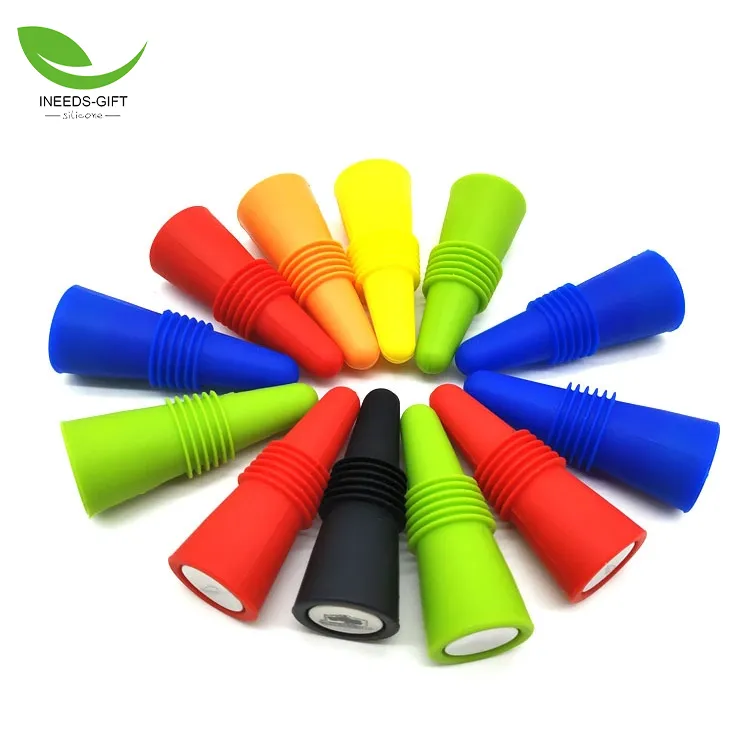
Many people wonder whether a Silicone Bottle Stopper can handle the pressure and carbonation of beer and soda bottles. At Ineeds, we design and test bottle stoppers specifically for real-world use, including fizzy drinks. The short answer is yes, but the type of bottle, the stopper design, and how you use it all affect performance. This guide explains what works, what does not, and how to choose the right Silicone Bottle Stopper for beer and soda.
Why Carbonation Changes Everything
Beer and soda contain dissolved carbon dioxide. Once a bottle is opened, CO2 escapes and the drink goes flat. A Silicone Bottle Stopper must create an airtight seal to slow that process. Unlike still water, carbonated drinks push outward against the stopper. That means the stopper needs a tight fit, flexible material, and often a locking or leak-proof mechanism.
Ineeds tests stoppers under pressure to confirm they hold carbonation for hours, not minutes.
Key Factors That Determine Performance
| Factor | Why It Matters | What to Look For |
|---|---|---|
| Bottle neck size | A loose fit lets CO2 escape | Standard 26–28 mm openings for most soda and beer bottles |
| Stopper material | Soft silicone seals better than hard plastic | Food-grade, BPA-free Silicone Bottle Stopper |
| Seal design | Flat plugs leak; ribbed or tapered plugs seal | Ribbed, tapered, or vacuum-seal design |
| Pressure resistance | Carbonation pushes upward | Locking clamp or tight friction fit |
| Temperature | Heat expands gas and increases pressure | Store bottles cold after opening |
Which Bottles Work Best
Not all bottles are equal. Below is a quick compatibility guide based on Ineeds product testing.
| Bottle Type | Compatible? | Notes |
|---|---|---|
| Standard soda bottles (PET) | Yes | Best with ribbed Silicone Bottle Stopper |
| Glass beer bottles | Yes | Choose a stopper sized for crown-cap necks |
| Swing-top beer bottles | Yes | Often already have a gasket; silicone adds backup |
| Wide-mouth bottles | No | Needs a different stopper size |
| Thin-neck specialty bottles | Sometimes | Measure the inner diameter first |
How to Use a Silicone Bottle Stopper Correctly
-
Chill the bottle before opening to reduce foam.
-
Wipe the bottle neck dry so the stopper does not slip.
-
Insert the Silicone Bottle Stopper firmly until it sits flush.
-
Press down or lock the clamp if your stopper has one.
-
Store upright in the refrigerator.
-
Reopen gently to release pressure slowly.
Ineeds recommends replacing stoppers every 6–12 months if used daily, since silicone can lose elasticity over time.
Limitations to Know
A Silicone Bottle Stopper slows carbonation loss but does not stop it forever. Beer and soda will still go flat after one to three days in most cases. Highly carbonated drinks may push a stopper out if the fit is poor. Always test a new stopper with water before trusting it with a fizzy drink.
Silicone Bottle Stopper FAQ
Do Silicone Bottle Stoppers really keep beer and soda fizzy?
Yes, a well-fitted Silicone Bottle Stopper slows CO2 loss significantly, keeping drinks fizzy for up to 24–72 hours when stored cold and upright.
Can I use the same Silicone Bottle Stopper for beer, soda, and wine?
Yes, if the stopper fits the bottle neck, it can be used across beer, soda, and wine, but always clean it thoroughly between different drinks to avoid flavor transfer.
Are Silicone Bottle Stoppers safe for repeated use and dishwashers?
Most food-grade Silicone Bottle Stoppers are reusable and dishwasher-safe on the top rack, but hand washing with warm soapy water extends their life and keeps the seal clean.
Contact Us
Ready to find the right Silicone Bottle Stopper for beer, soda, or any fizzy drink? Contact Ineeds today for product recommendations, bulk pricing, and custom sealing solutions. Our team will help you choose a stopper that fits your bottles and keeps every sip fresh.