

Can a High Temperature Resistant Silicone Rubber Heater Hose Be Used Safely with Steam Instead of Dry Heat
2026-06-12
When engineers face high-temperature transfer applications, a common question arises: can a High Temperature Resistant Silicone Rubber Heater Hose handle steam as effectively as dry heat? Many assume silicone’s thermal stability extends equally to wet heat, but the reality demands closer examination. At Liangju, we specialize in precision-engineered thermal solutions, and this guide explains the critical differences—so you can select the right hose for steam exposure without compromising safety or performance.
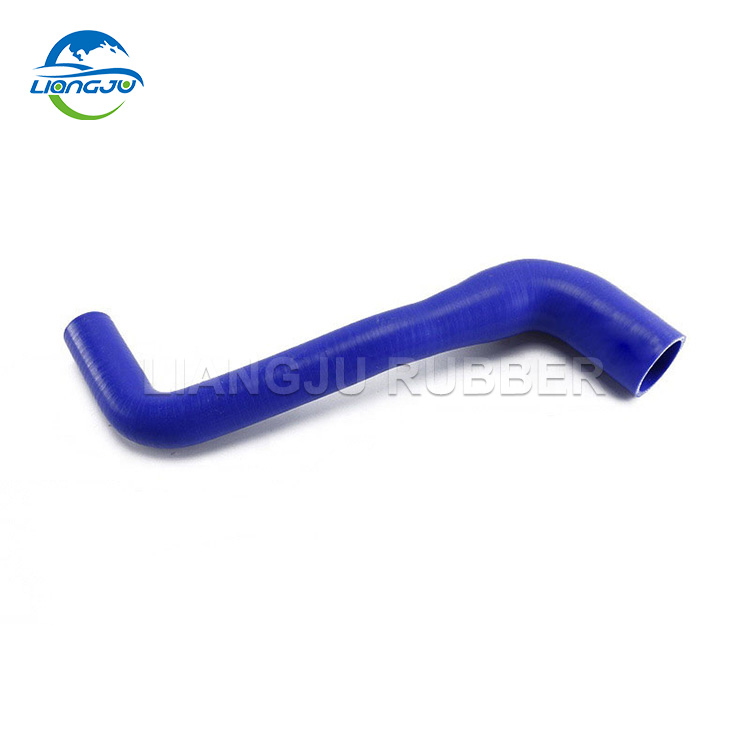
Dry Heat vs. Steam: Key Engineering Differences
| Property | Dry Heat Application | Steam / Wet Heat Application |
|---|---|---|
| Heat transfer medium | Air or radiant heat | Pressurized water vapor |
| Internal pressure | Moderate (typically 5–10 bar) | Higher (often 10–16 bar) |
| Effect on silicone | Stable aging, low hydrolysis risk | Hydrolysis possible at seams/cuts |
| Material requirement | Standard silicone rubber | Reinforced, steam-grade silicone |
| Failure mode | Hardening, cracking | Blistering, delamination |
While a standard High Temperature Resistant Silicone Rubber Heater Hose may withstand 200°C dry air continuously, saturated steam at the same temperature carries latent heat energy and moisture that can degrade ordinary silicone over time. Liangju recommends verifying steam compatibility through manufacturer data; many silicones experience hydrolytic attack when exposed to pressurized steam above 120°C for extended cycles.
Can You Use It Safely?
Yes—but only if the hose is explicitly rated for steam. Liangju offers steam-resistant variants of the High Temperature Resistant Silicone Rubber Heater Hose featuring reinforced liners and low-permeability formulations. Key factors for safe steam use include:
-
Pressure rating must exceed steam supply pressure (safety factor ≥ 4:1)
-
Temperature rating must cover both steam temperature and any superheat
-
Fittings must be steam-rated, not just dry-heat rated
-
Avoid intermittent dry heating after steam exposure without drying the hose interior
Performance at a Glance
| Operating Condition | Standard High Temp Silicone Heater Hose | Liangju Steam-Rated Silicone Heater Hose |
|---|---|---|
| Continuous dry heat @200°C | ✓ Recommended | ✓ Recommended |
| Intermittent steam @130°C | ⚠ Limited use (≤100 hrs) | ✓ Safe (≥1000 hrs) |
| Saturated steam @160°C | ✗ Not safe | ✓ Safe with regular inspection |
| High-pressure steam cleaning cycles | ✗ High failure risk | ✓ Suitable |
FAQ – High Temperature Resistant Silicone Rubber Heater Hose for Steam Applications
Q1: What happens if I accidentally use a standard High Temperature Resistant Silicone Rubber Heater Hose with low-pressure steam?
A1: Over time, moisture penetrates the silicone matrix, especially near cut ends or fitting joints. The hose may soften internally, then develop surface blisters or pinhole leaks. In severe cases, the reinforcement layer separates from the silicone cover, leading to sudden rupture. Liangju has documented cases where standard hoses failed within 50 hours of 1.5 bar steam exposure, while steam-rated designs lasted over 2,000 hours under identical conditions.
Q2: How can I tell if a High Temperature Resistant Silicone Rubber Heater Hose is truly steam-safe?
A2: Check three things: First, a clear “steam service” rating from the manufacturer. Second, the material certification – look for FDA 21 CFR 177.2600 if food contact, or UL 94 HB for flame resistance combined with steam. Third, ask for hydrolysis resistance test data. Reputable brands like Liangju provide test reports showing tensile strength retention ≥80% after 500 hours of steam cycling. If a datasheet only lists “dry heat maximum temperature,” do not assume steam capability.
Q3: Does steam degrade silicone faster than dry heat at the same measured temperature?
A3: Yes, significantly. Dry heat primarily causes oxidative crosslinking (hardening). Steam adds hydrolytic chain scission (softening and strength loss). At 150°C, a typical High Temperature Resistant Silicone Rubber Heater Hose loses 50% of its tensile strength in about 300 hours of steam exposure, compared to over 2,000 hours in dry air. Steam also accelerates leaching of fillers, which can contaminate process fluids. For any wet-heat application, Liangju always advises de-rating the maximum temperature by 20–30°C versus dry heat specifications.
Final Recommendation from Liangju
Do not substitute a standard High Temperature Resistant Silicone Rubber Heater Hose for steam without manufacturer confirmation. If your process involves saturated steam, condensate return, or frequent steam cleaning, choose a steam-specific design like those from Liangju.
Contact us today for a compatibility assessment. Share your steam pressure, temperature, cycle frequency, and any fluid contact requirements—our engineering team will specify the correct High Temperature Resistant Silicone Rubber Heater Hose and provide sample test reports before you buy. Reach Liangju via our website or email to safeguard your thermal system.