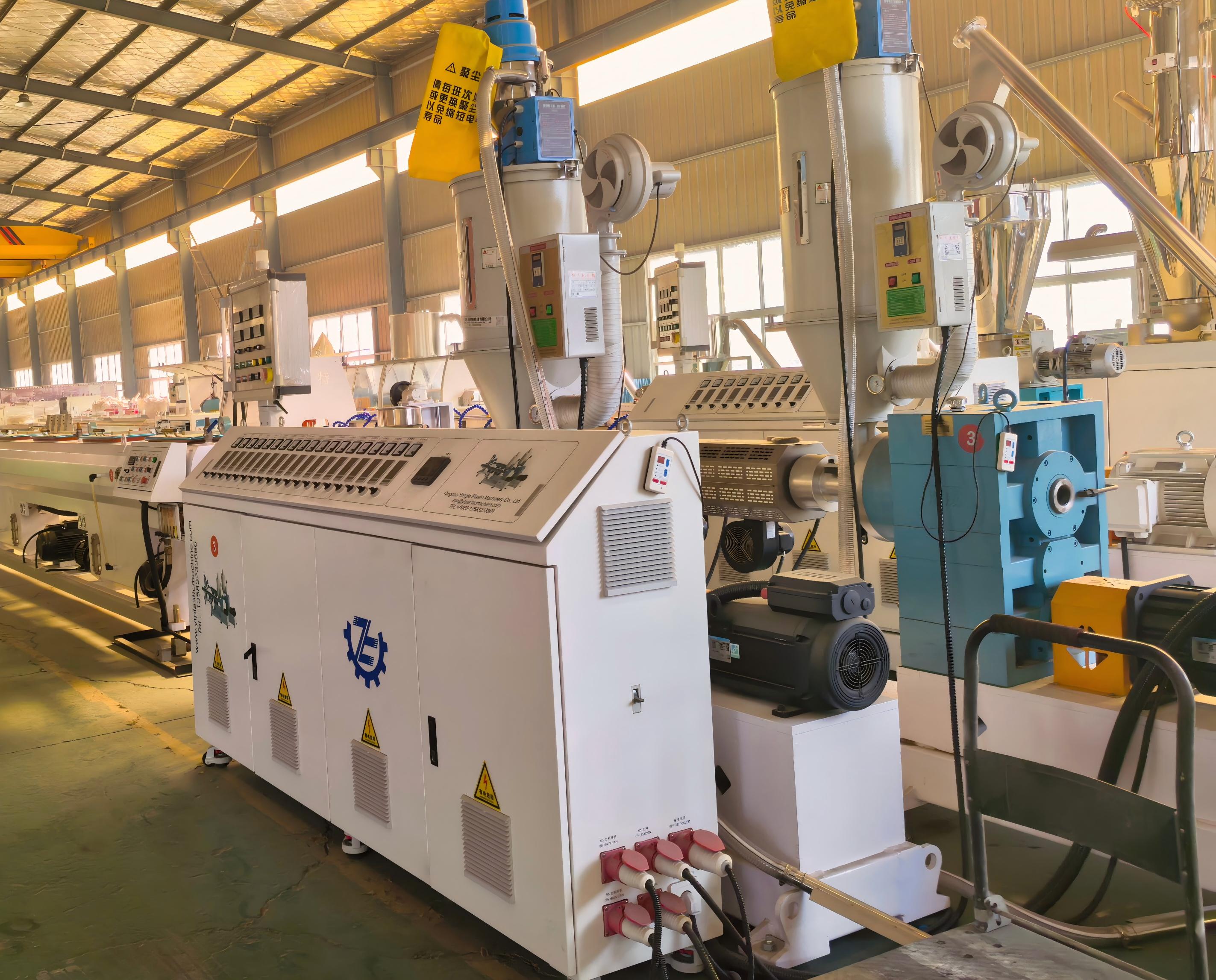

Top PPR Pipe Machine: Expert Guide to the Best Picks
2026-07-30
Choosing the right PPR pipe machine can make or break your production line—efficiency, durability, and precision all hang in the balance. In this expert guide, we cut through the noise to bring you the top picks that truly deliver. Whether you're upgrading your workshop or launching a new venture, you'll discover why seasoned manufacturers keep turning to Yongte for game-changing performance. Let's dive into the machines that are reshaping the industry.
The Real-World Performance Indicators
Raw benchmark scores rarely tell the whole story. What actually matters is how a system behaves during everyday use—how quickly apps launch, whether scrolling stutters under load, and how responsive the interface remains when you’re juggling multiple tasks. These subtle, qualitative aspects define actual user satisfaction far more than any synthetic number.
Another key indicator is consistency under pressure. A device might feel snappy for the first ten minutes, but what happens after an hour of heavy use? Thermal throttling can slash performance, turning a flagship into a sluggish mess. Observing frame-time variance, touch latency, and background task management reveals the engineering priorities behind a product.
Battery life, too, is a performance metric in disguise. A processor that aggressively sips power while maintaining smooth interactions under mixed workloads is a sign of deep optimization. Real-world performance isn’t about peak velocity; it’s about sustained, efficient output that respects both hardware limits and user patience.
Materials and Build: What Separates the Best From the Rest
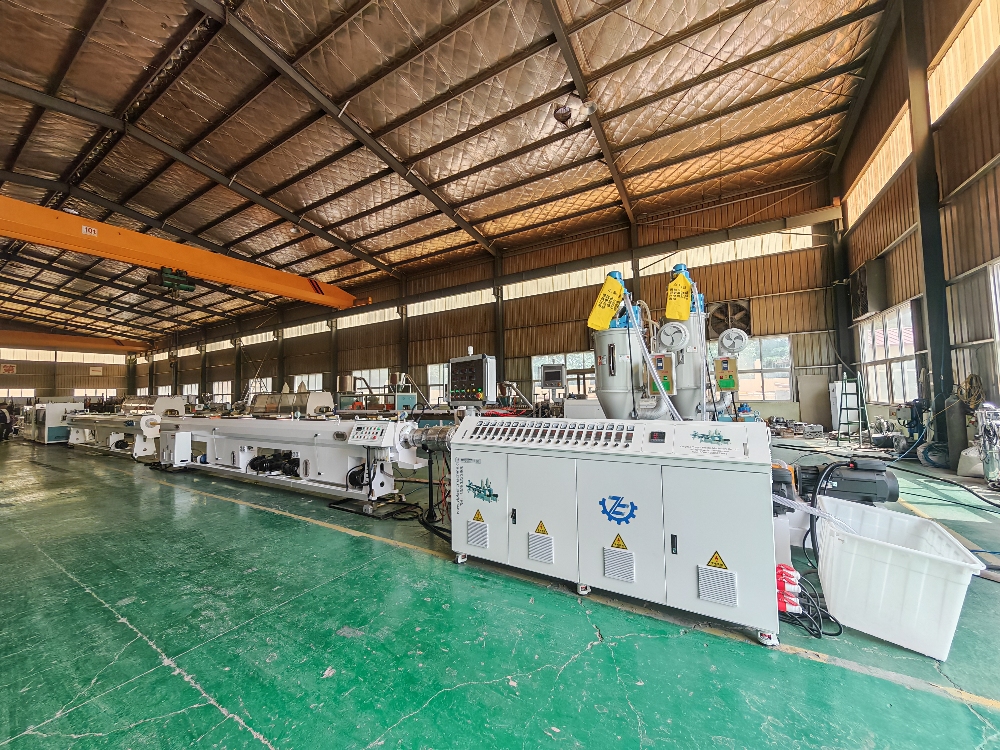
In any product category, the difference between a forgettable item and a lifelong companion often comes down to the raw materials. Top-tier manufacturers obsess over sourcing—whether it’s full-grain leather that develops character with age, aerospace-grade aluminum that shrugs off daily abuse, or tightly woven fabrics that resist pilling and fading. They choose materials not just for initial appeal, but for how they’ll perform after years of use. Meanwhile, cheaper alternatives rely on bonded leather that cracks within months, thin plastic veneers that chip, and flimsy stitching that unravels at the first sign of stress.
Beyond the ingredients, the construction methods set the true performers apart. Look for details like reinforced stress points, double-stitched seams, and precision-welded joints instead of glued connections. The best builders invest in rigorous quality control—each piece is inspected for alignment, tension, and finish consistency. These behind-the-scenes efforts mean a zipper glides smoothly for a decade, a handle never tears away from a bag, and a frame stays rigid even when loaded beyond its stated limits. It’s the kind of quiet confidence that requires no warranty, yet almost always comes with a generous one.
Cheaper goods often mimic the surface aesthetics but skip the hidden reinforcements. That sleek chair might use particleboard under a wood veneer, or that stylish coat could have a lining that shreds after one season. The real test is how an item feels in motion—a perfectly balanced tool, a jacket that moves with you, or a drawer that slides shut with a reassuring soft close. These tactile signals are hard to fake, and they reveal a company’s genuine commitment to longevity over quick turnover. In the end, the best material and build choices are invisible luxuries that you notice only in their absence.
Automation and Control: When Manual Just Won't Cut It
Some processes demand more than human consistency can offer. When every second counts and even the smallest error compounds into costly delays, manual intervention becomes the weak link. The reality is that people get tired, distracted, or simply can't react fast enough to shifting conditions—and that's not a failure of effort, it's a limitation of biology.
Automation steps in where precision and speed aren't just nice to have but non-negotiable. Think of a packaging line that adjusts fill levels in real time based on product viscosity, or a climate control system that tweaks airflow across a dozen zones without anyone touching a dial. These aren't hypotheticals; they're everyday operations in smart facilities where sensors and controllers do the heavy lifting, freeing up skilled workers to focus on what machines still can't do—like spotting the subtle pattern that prevents tomorrow's breakdown.
But shifting to automated control isn't about replacing people; it's about removing the bottlenecks that keep them from doing their best work. Reliability goes up, waste goes down, and the whole operation becomes less fragile. When the alternative is constant oversight and firefighting, automated systems aren't a luxury—they're the baseline for staying competitive.
Energy Efficiency and Operating Costs Over Time
When you first put a new cooling system to work, the energy draw might seem reasonable—but over months and years, hidden losses begin to stack up. Dust-laden coils, refrigerant micro-leaks, and gradually loosening belts all conspire to push the compressor harder. What once hummed along at 2.5 kW per hour can creep past 3.2 kW, and that difference, multiplied across a commercial season, transforms into an operating cost you never budgeted for. The graph isn't dramatic day to day, yet the monthly power bill tells the truth: neglect quietly manufactures waste.
Efficiency isn't just a design spec; it's a moving target. Real-world data from building management systems shows that without proactive care, an AC unit loses roughly 5–10% of its original efficiency within the first two years. That degradation isn't linear—it accelerates when filters clog or heat exchangers foul. The financial ripple extends beyond the electric meter too: emergency repairs, shortened equipment lifespan, and even occupant productivity dips in a space that wrestles with uneven cooling. Every skipped maintenance interval isn't a saving; it's a deferred cost that compounds.
Turning the trend around requires treating energy performance as a living metric. Simple steps—scheduled coil cleaning, verifying refrigerant charge, and checking airflow balance—can claw back most of that creeping loss. Modern monitoring tools make it tangible: a small sensor suite comparing real-time consumption against a benchmark readily flags the moment a system begins to struggle. The operating cost curve then flattens, and often dips, proving that attention beats replacement almost every time.
Brands We Trust After Years on the Job
You learn a lot about a brand when you rely on it daily for years. When the tools, apparel, or gear survive countless shifts, they stop being just products and become trusted partners. It’s not about flashy ads or seasonal trends—it’s about that quiet confidence you get when you know something won’t fail you halfway through a hard day.
Some names keep showing up in break rooms and job sites because they consistently deliver. You see the same work boots on veteran electricians, the same gloves on seasoned mechanics. It’s like a silent recommendation passed from one tired worker to the next. After a decade in the field, you stop wasting time on gimmicks and stick with what actually holds up.
Loyalty in these circles is earned through durability and honest design. It’s not unusual to see someone patch up a worn-out jacket rather than replace it, just because breaking in a new one feels like a betrayal. When a brand respects the grind as much as you do, you notice. That’s why we come back to them, year after year—not out of habit, but because they’ve proven they understand the work.
Little-Known Maintenance Hacks From the Shop Floor
One trick that rarely makes it into manuals is using a dab of valve grinding compound on a stripped screw head. The fine grit gives your screwdriver just enough bite to back it out without chewing up the surrounding material. Another shop floor secret is repurposing old inner tubes as custom dust boots for ball joints and linkages—just cut to size, secure with zip ties, and you’ve got a flexible barrier that keeps grit out far longer than the original rubber.
For those maddening moments when a bolt refuses to thread straight, try cutting a lengthwise slot into the end of a spare bolt of the same thread pitch. Chasing the hole with this homemade tool clears debris and reforms the lead thread, making installation feel like butter. And if you are dealing with rust-frozen parts, skip the penetrating oil and reach for a mix of acetone and automatic transmission fluid. Mixed in a small pump oil can, this brew seeps deeper and breaks bonds that commercial sprays leave untouched.
When installing press-fit bearings without a proper arbor press, pop the bearing in the freezer for an hour and warm the housing with a heat gun. The thermal difference shrinks the bearing just enough to drop in with hand pressure, preventing the brinelling damage that comes from hammering. Also, keeping a block of dry ice in the toolbox can be a game changer—press a chunk against a dented metal panel and watch the cold contraction pop the dent out with no filler needed.
FAQ
Unlike standard extruders, PPR-specific machines are engineered to handle the high melt viscosity and narrow processing window of polypropylene random copolymer. They typically feature specially designed barrier screws, precise temperature controls, and rapid cooling systems to maintain molecular structure and ensure long-term pressure resistance.
Single-screw extruders are sufficient for most standard PPR pipes, offering simplicity and lower cost. If you need higher output, better mixing for masterbatch, or are processing high levels of calcium carbonate filler, a twin-screw is preferable—though it's overkill for pure PPR resin unless you value its self-cleaning ability and wider processing flexibility.
A good all-around machine should handle 20mm to 160mm, covering residential and light commercial plumbing. If you supply industrial projects, look for a line that reaches 250mm or beyond, but remember that tooling changeovers and downstream sizing equipment become more complex and expensive as diameter increases.
PPR has semi-crystalline nature that shrinks unevenly if not properly controlled. Vacuum calibration tanks apply negative pressure to pull the hot extrudate against precision sleeves, locking in the outer diameter and wall thickness within tight tolerances. Without it, you'd get ovality, eccentric walls, and poor socket fusion performance.
Key wear parts—screw, barrel, calibration sleeves, and cutting saw blades—benefit from European or Japanese suppliers because of their metallurgy and precision. Motors, heaters, and PLC can be local if from reputable makers, but insist on global-brand contactors and sensors to avoid unplanned downtime chasing electrical faults.
The machine is just the extruder itself—the main drive, screw, barrel, and control. A complete extrusion line includes the hopper, co-extruder for co-extruding colored stripes, vacuum tank, cooling tanks, haul-off, cutter, and stacker. When comparing quotes, ensure you're getting all the downstream equipment; otherwise, the apparent price saving disappears once you source the rest.
A ratio between 30:1 and 33:1 is ideal. Shorter screws may not fully homogenize the melt, causing inconsistent wall thickness and brittle spots. Longer ones can over-shear the material and increase residence time, risking thermal degradation. Some advanced designs use barrier flights and mixing sections to optimise melting without needing an excessively long barrel.
Yes, with minor adjustments. PPR-CT typically uses a modified random copolymer with higher crystallinity, requiring slightly higher barrel temperatures and a slower cooling rate to avoid internal stresses. The same screw and tooling work if you optimize the temperature profile and haul-off tension. However, verify that your calibration sleeves are robust enough for the slightly stiffer melt.
Conclusion
When you're in the market for a PPR pipe machine, real-world performance beats glossy brochures every time. It's not just about cycle times or throughput—look at how the machine handles different pipe diameters and wall thicknesses under continuous operation. A machine that holds tolerance after 10,000 pipes is what you need, not one that shines in a demo. The build quality is equally non-negotiable: hardened barrels, bi-metallic screws, and robust clamping units separate industrial-grade equipment from workshop toys. Automation matters more than ever, too. Manual controls might save you a few bucks upfront, but you'll bleed money in scrap and downtime. Modern PLC interfaces with recipe management and fault diagnosis pay for themselves quickly.
Energy efficiency is the silent cost driver that many overlook. Look beyond the nameplate power rating; a machine with intelligent heater band control and efficient motor drives can slash your electricity bill by 30% over a decade. Paired with low-maintenance designs, the total cost of ownership becomes far lower than cheaper alternatives. After years on the shop floor, brands like JWELL, Sica, and Queen Machinery earn our trust because they back their machines with local support and spare parts. And here's a shop-floor secret: regularly cleaning the screw and barrel, even on "self-cleaning" models, prevents carbon buildup that silently kills output consistency. Also, align the haul-off and cutter every month—it takes 20 minutes and saves you from wavy pipes and downstream headaches.
Contact Us
Contact Person: Ms Qin
Email: [email protected]
Tel/WhatsApp: 8613583233866
Website: https://www.yongteplast.com