

Powder Storage Silo in China: Essential Guide to Safe and Efficient Operations
2026-04-06
When it comes to storing powdered materials like cement, fly ash, or chemicals, China's industrial landscape relies heavily on efficient and secure powder storage silos. These structures are more than just containers; they are critical components that ensure operational safety, minimize waste, and optimize productivity. Yet, navigating the complexities of their design, maintenance, and daily operation can be daunting without the right guidance. This essential guide dives deep into the world of powder storage silos in China, offering practical insights to help you achieve safe and efficient operations. From selecting robust equipment to implementing best practices, we cover it all—with a special focus on solutions from Fanchang Machinery, a trusted name in the industry. Packed with expert tips and real-world examples, this blog aims to spark your curiosity and empower you to elevate your storage systems. Stay tuned to discover how you can enhance reliability and drive success in your operations.
Selecting the Right Material for Your Powder Silo
Choosing the material for your powder silo isn't just about durability—it's a decision that impacts everything from maintenance costs to product purity. Let's explore the pros and cons of key options like stainless steel, aluminum, and fiberglass. You'll want to consider factors like the chemical compatibility with your powder, the environmental conditions (think humidity or corrosive atmospheres), and how often you'll need to clean or inspect the interior. For instance, stainless steel might be your go-to for high-purity applications, but it can be pricier upfront; fiberglass offers excellent corrosion resistance in harsh settings, though it may require more careful handling.
Have you thought about the long-term implications of your choice? A material that's perfect for one powder might degrade faster with another, leading to contamination or structural issues down the line. It's worth consulting with engineers who understand your specific industry—whether it's food processing, pharmaceuticals, or construction materials. They can help you balance factors like temperature fluctuations, which might make aluminum a lightweight and efficient choice, or the need for UV protection if your silo is outdoors. Real-world examples, like using coated steel for abrasive powders, can save you from costly replacements.
In the end, don't overlook the installation and maintenance side of things. Some materials, like certain plastics, might be easier to assemble on-site but could require more frequent checks for wear. Weigh the initial investment against lifecycle costs; sometimes, spending a bit more upfront on a robust material like carbon steel with proper linings pays off in reduced downtime and safer operations. By tailoring the selection to your unique needs, you'll ensure your powder silo isn't just functional but a reliable asset for years to come.
Key Safety Features Every Silo Operator Must Know
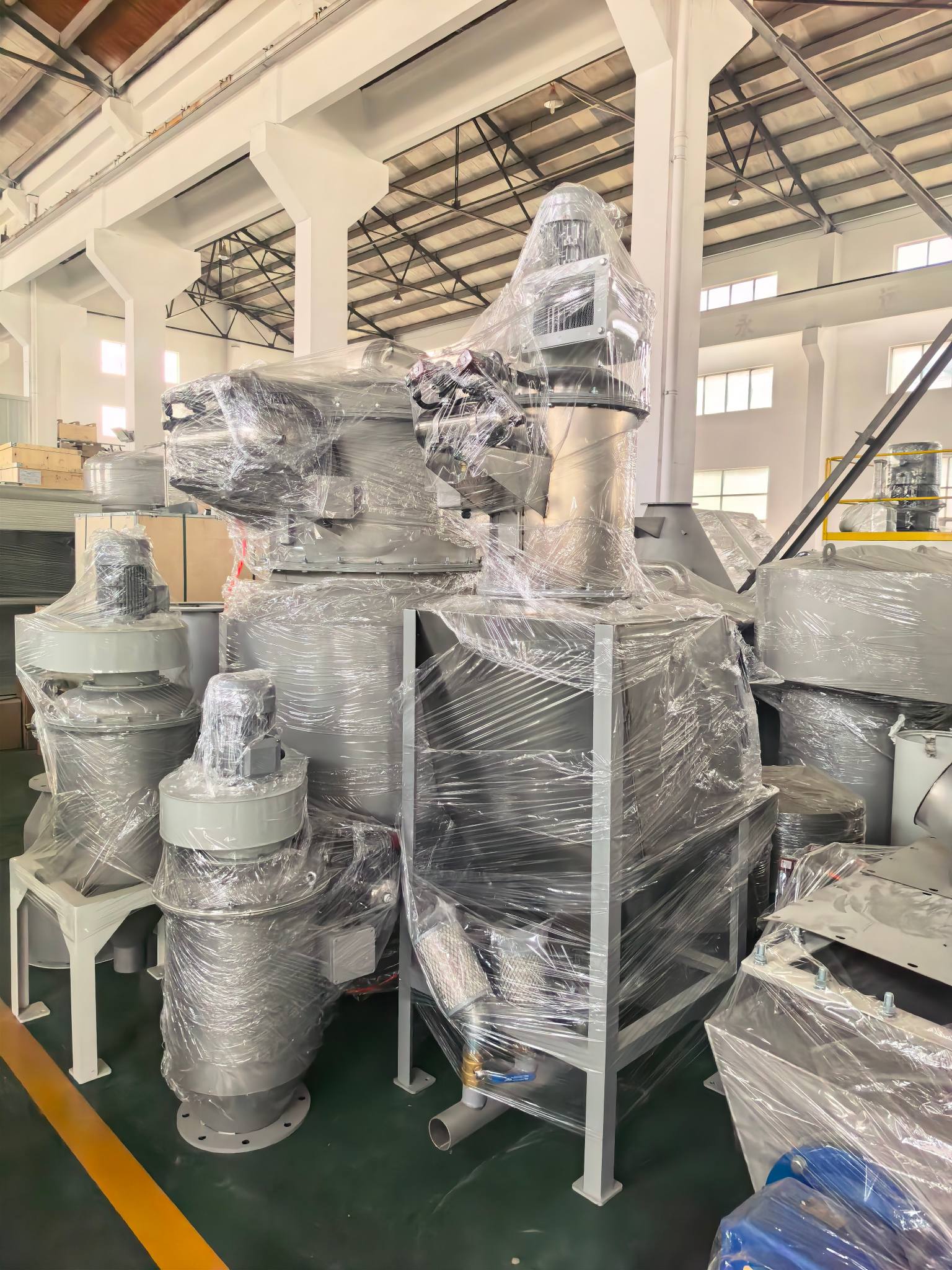
When it comes to silo operations, safety isn't just a buzzword—it's the bedrock of smooth and incident-free management. One of the most critical aspects is ensuring proper ventilation systems are in place. Without adequate airflow, hazardous gases like carbon dioxide or flammable dust can accumulate, leading to potential explosions or health risks. Operators should regularly inspect vents and filters, keeping them clear of obstructions to maintain a safe environment inside the silo. It's this kind of proactive attention that can prevent minor issues from escalating into major emergencies.
Another essential safety feature to keep in mind is the implementation of reliable pressure relief devices. Silos are prone to pressure buildup due to factors like material compaction or temperature changes, which can cause structural failures if not managed properly. Installing and maintaining pressure relief valves allows excess pressure to escape safely, protecting both the equipment and personnel. Regular testing of these devices ensures they function correctly when needed most, turning potential disasters into manageable situations.
Lastly, don't overlook the importance of robust access and fall protection systems. Working at heights in and around silos poses significant risks, so features like secure ladders, guardrails, and harness anchoring points are non-negotiable. These measures help prevent slips, trips, and falls, which are common causes of injuries in industrial settings. By integrating these safety features into daily routines, operators can foster a culture of vigilance and care, making the workplace safer for everyone involved.
Tips for Maintaining Optimal Powder Flow and Quality
Maintaining optimal powder flow and quality in industrial processes goes beyond basic storage and handling; it involves a nuanced approach tailored to your specific materials. Start by analyzing the physical characteristics of your powders, such as particle size distribution and moisture content, as these directly impact flowability. For instance, fine powders with high moisture may clump, requiring controlled dehumidification or additives to prevent caking. Regular monitoring through techniques like shear cell testing can help identify potential flow issues early, allowing you to adjust conditions proactively rather than reacting to problems after they arise. Integrating real-time sensors in silos or hoppers can provide continuous data on powder behavior, enabling more dynamic management and reducing downtime due to blockages.
Ensuring quality consistency demands attention to environmental factors that many overlook. Temperature fluctuations and humidity levels play a critical role in preserving powder integrity, as variations can lead to degradation or unwanted chemical reactions. Implementing airtight, climate-controlled storage solutions is key, but don't stop there— consider the role of packaging materials when powders are transported or stored in smaller batches. Using moisture-barrier bags or vacuum-sealed containers can prevent contamination and maintain optimal flow properties over time. Additionally, regular cleaning of equipment to remove residual powders prevents cross-contamination and ensures that each batch meets your quality standards, which is especially vital in industries like pharmaceuticals or food processing where purity is non-negotiable.
Adopting innovative strategies can set your operations apart and enhance both flow and quality. Instead of relying solely on traditional methods like agitation or vibration, explore advanced technologies such as aeration systems or surface modification techniques to improve powder flow without compromising quality. For example, coating particles with flow-enhancing agents can reduce interparticle friction, making them less prone to bridging or arching in hoppers. Foster a culture of continuous improvement by training staff on best practices for handling and storage, and encourage experimentation with different materials or processes to find what works best for your unique setup. By staying ahead of trends and customizing your approach, you can achieve superior powder flow that boosts efficiency and maintains high-quality output consistently.
How to Prevent Common Storage and Handling Issues
Proper storage techniques are essential to avoid damage and extend the lifespan of items, whether they are fragile electronics or everyday household goods. Start by assessing the environment where you plan to store things; factors like humidity, temperature, and light exposure can lead to issues like mold, corrosion, or fading. For example, storing wooden furniture in a damp basement might cause warping, while keeping sensitive documents in direct sunlight could make them brittle over time. By choosing dry, cool, and dark spaces, you can prevent these common problems from the get-go, ensuring your belongings stay in good condition for longer.
Handling mistakes often happen when people rush or don't follow specific guidelines for different materials. For delicate items, always lift from the base rather than the edges, and use protective gloves to avoid oils and scratches. When transporting goods, secure them with padding and avoid stacking heavy objects on top of more fragile ones. Implementing a clear labeling system can also help—mark boxes with contents and handling instructions, which reduces the risk of mishaps during unpacking or movement. Regularly training team members or family members on these best practices can minimize errors and keep everything safe through frequent use or relocation.
To stand out from generic advice, consider incorporating personalized checks and routines tailored to your specific needs. For instance, in a home setting, conduct seasonal reviews of stored items to catch issues early, like checking for pests or checking seals on containers. In business contexts, adopt a proactive approach by scheduling maintenance for storage equipment and using technology like smart sensors to monitor conditions. By going beyond basic tips and fostering a culture of care, you not only prevent common storage and handling issues but also enhance efficiency and protect valuable assets in a way that feels thoughtfully crafted rather than just following a standard checklist.
Regulatory Compliance and Best Practices in China
Navigating China's regulatory landscape requires a nuanced understanding of both its dynamic legal frameworks and cultural nuances. From data protection laws like the Cybersecurity Law to environmental regulations, staying compliant isn't just about checking boxes—it's about building trust with local authorities and communities. Companies often find that adapting global standards to fit localized practices, such as integrating with WeChat for customer interactions, can enhance compliance while driving operational efficiency.
Best practices in this context go beyond mere adherence to rules; they involve proactive engagement with stakeholders. For instance, establishing transparent supply chains not only meets regulatory demands but also appeals to increasingly conscious consumers. By fostering strong relationships with government bodies and industry groups, businesses can gain insights into upcoming policy shifts, turning potential challenges into opportunities for innovation and market leadership.
Ultimately, success in China hinges on blending rigorous compliance with agile strategy. This means not only implementing robust internal audit systems but also leveraging technology, like AI-driven monitoring tools, to predict and mitigate risks. By embedding ethical considerations into core operations, organizations can cultivate a reputation for reliability, paving the way for sustainable growth in one of the world's most competitive markets.
Upgrading Your Facility for Better Operational Efficiency
Many businesses find themselves stuck with outdated equipment and processes that drain resources and hinder growth. Upgrading your facility isn't just about shiny new machines; it's a strategic move to streamline operations and boost productivity. By investing in modern technology, you can reduce downtime, minimize waste, and create a more agile environment that responds quickly to market demands. This proactive approach not only cuts costs in the long run but also enhances your competitive edge, making your operation more resilient and efficient overall.
Consider how an upgraded facility can transform daily workflows. For instance, integrating smart sensors and automation systems can provide real-time data on equipment performance, allowing for predictive maintenance instead of reactive repairs. This shift reduces unexpected breakdowns and keeps production lines running smoothly, ensuring that deadlines are met without constant oversight. Additionally, energy-efficient upgrades, like LED lighting or improved insulation, lower utility bills and contribute to a more sustainable operation, aligning with both economic and environmental goals.
Ultimately, the decision to upgrade should be driven by a clear vision for future success. Tailoring improvements to your specific needs—whether through better supply chain integration or enhanced safety protocols—can lead to a more motivated workforce and higher-quality outputs. By taking a holistic view of your facility's potential, you'll not only see immediate gains in efficiency but also lay the groundwork for long-term innovation and growth, keeping your business ahead in an ever-evolving landscape.
FAQ
Operators should implement regular inspections for structural integrity, use explosion-proof equipment, ensure proper ventilation to prevent dust accumulation, and adhere to local regulations on material handling to minimize risks of explosions or collapses.
Efficient operations, such as optimizing filling and discharge cycles, reducing material degradation, and maintaining consistent temperature and humidity, can extend the silo's lifespan by preventing wear and corrosion, leading to lower maintenance costs over time.
Challenges include dealing with high humidity affecting material flow, ensuring compliance with stringent environmental and safety standards, managing dust emissions to avoid pollution, and integrating automation systems for better control amid varying operational demands.
A well-designed silo, tailored to the specific powder characteristics and local climate, enhances structural stability, prevents blockages or bridging, improves airflow for ventilation, and supports efficient loading and unloading, reducing downtime and safety hazards.
Comprehensive training for personnel on handling procedures, emergency response protocols, and equipment operation helps prevent accidents, ensures quick reaction to issues like spills or fires, and fosters a culture of safety awareness in the workplace.
Implementing sensors for real-time monitoring of levels, temperature, and pressure, using automation for controlled discharging, and employing data analytics to predict maintenance needs can boost efficiency, reduce manual errors, and improve overall safety compliance.
Conclusion
Operating powder storage silos in China requires a strategic approach to ensure both safety and efficiency. Key considerations begin with selecting the right material for the silo, which must withstand local environmental conditions and the specific powder characteristics to prevent corrosion or contamination. Equally crucial are essential safety features, such as pressure relief valves and explosion venting systems, which every operator should be familiar with to mitigate risks. Maintaining optimal powder flow and quality involves regular monitoring of humidity and temperature, coupled with proper aeration systems to prevent caking or degradation. By integrating these elements, facilities can effectively prevent common storage and handling issues like blockages or segregation, ensuring consistent operations and product integrity.
In China's regulated industrial landscape, adhering to local regulatory compliance and best practices is non-negotiable, involving standards like GB for safety and environmental protection. Upgrading facilities can enhance operational efficiency through automation and smart monitoring systems, reducing manual intervention and errors. This holistic guide emphasizes that by blending material selection, safety protocols, maintenance tips, and compliance, operators can achieve a balance between productivity and risk management. Ultimately, a proactive approach to these aspects not only meets legal requirements but also fosters a culture of continuous improvement, positioning facilities for long-term success in China's competitive market.
Contact Us
Contact Person: Darye WANG
Email: [email protected]
Tel/WhatsApp: 86-13501017897
Website: https://www.fcntd.com/