
Nonylphenol Ethoxylate Factory Insights: Sustainable Production and Innovation in Chemical Manufacturing
2026-02-28
In the realm of chemical manufacturing, the production of Nonylphenol Ethoxylates (NPEs) stands at a crossroads of innovation and environmental responsibility. As industries worldwide grapple with sustainability challenges, this compound—widely used in detergents, textiles, and industrial applications—demands a fresh perspective. How can we balance efficiency with eco-friendliness in its creation? Enter POLYKEM, a leader pioneering cutting-edge solutions that redefine NPE production. This blog delves into the latest advancements, from green chemistry breakthroughs to waste-reduction strategies, offering insights into a future where chemical manufacturing thrives without compromising our planet. Join us as we explore the transformative journey toward sustainable NPEs, where every innovation sparks curiosity and drives meaningful change.
Eco-Friendly Strategies in Nonylphenol Ethoxylate Manufacturing
Nonylphenol ethoxylate (NPE) manufacturing has faced increasing scrutiny due to environmental concerns, particularly regarding biodegradability and aquatic toxicity. In response, the industry is evolving by adopting greener approaches that minimize ecological footprints. One key strategy involves shifting from traditional batch processes to continuous flow systems, which reduce energy consumption by up to 30% and cut down on waste by-products. These systems allow for real-time monitoring and optimization, enhancing efficiency while lowering emissions. By integrating renewable energy sources like solar or wind power into production facilities, manufacturers further decrease reliance on fossil fuels, making the entire lifecycle of NPEs more sustainable. Such innovations not only comply with regulations but also appeal to environmentally conscious consumers seeking safer chemical alternatives.
Another promising eco-friendly tactic is the development of advanced catalysts and biodegradable substitutes. Researchers are exploring enzyme-based catalysts that operate under milder conditions, significantly reducing the need for harsh chemicals and high temperatures. This not only cuts energy use but also yields NPEs with improved biodegradability, addressing long-standing issues of persistence in water systems. Additionally, some companies are experimenting with bio-based feedstocks derived from plant oils, which offer a renewable alternative to petroleum-based precursors. These materials often break down more readily in the environment, helping to mitigate the accumulation of toxic residues. While these technologies are still in early stages, pilot projects show reduced environmental impact without compromising product performance, signaling a shift toward a more circular economy in chemical manufacturing.
Waste management and water treatment innovations are also central to eco-friendly strategies in NPE production. Closed-loop systems are being implemented to recycle solvents and water, minimizing discharge and conserving resources. Advanced filtration techniques, such as membrane bioreactors, effectively remove contaminants before releasing wastewater, ensuring it meets stringent environmental standards. Moreover, manufacturers are adopting green chemistry principles by designing processes that generate fewer hazardous by-products from the outset. For instance, optimizing reaction conditions can reduce the formation of harmful intermediates, leading to cleaner outputs. These holistic approaches not only enhance sustainability but also bolster corporate reputations, as industries increasingly prioritize transparency and responsibility in their operations. By embracing these strategies, the NPE sector can transform into a model for environmentally responsible chemical production.
Advancements in Reducing Environmental Impact of Chemical Synthesis
Recent years have seen a surge in innovative approaches to make chemical synthesis more sustainable, with a focus on minimizing waste, energy consumption, and hazardous substances. One key area is the development of green catalysts that enhance reaction efficiency while reducing the need for toxic heavy metals or harsh conditions. For instance, biocatalysts derived from enzymes are gaining traction for their selectivity and ability to operate under mild, aqueous environments, often outperforming traditional methods in terms of environmental footprint. These advancements not only cut down on byproducts but also align with regulatory pressures pushing industries toward cleaner production.
Another noteworthy trend involves the integration of continuous flow chemistry, which offers tighter control over reactions compared to batch processes. By enabling precise temperature and mixing adjustments, flow systems can significantly lower solvent usage and energy input, leading to smaller-scale setups with reduced emissions. Companies are increasingly adopting these modular reactors to streamline synthesis pathways, making it easier to scale up environmentally friendly processes without compromising yield or quality. This shift is reshaping how chemists design experiments, prioritizing sustainability from the laboratory bench to industrial applications.
Beyond technological tweaks, there's a growing emphasis on circular economy principles in chemical synthesis, where waste streams are repurposed as feedstocks for new reactions. Researchers are exploring ways to transform industrial byproducts, like carbon dioxide or biomass residues, into valuable chemicals, thereby closing resource loops and slashing environmental burdens. Coupled with advances in computational modeling to predict greener reaction outcomes, these efforts are driving a holistic reduction in impact, moving beyond incremental improvements toward transformative, eco-conscious chemistry that resonates with broader societal goals.
Innovative Technologies for Safer Production Processes
Cutting-edge tools are revolutionizing how industries protect workers and environments, moving beyond basic safety protocols to proactive risk management. Insights from data analytics and predictive models now allow for anticipating hazards before they cause harm, while augmented reality applications provide real-time guidance and warnings in complex settings.
Automation and robotics have become integral in minimizing human exposure to high-risk tasks, drastically reducing workplace injuries and fostering a culture of safety. These systems are designed to adapt to dynamic production environments, ensuring consistent performance and quick response to unforeseen events.
Embracing the Internet of Things (IoT), modern facilities deploy interconnected sensors and monitoring devices that continuously track equipment health and environmental conditions. This connectivity enables immediate detection of anomalies, triggering automated shutdowns or alerts to prevent accidents and ensure seamless, secure operations across the production chain.
Enhancing Efficiency through Sustainable Raw Material Sourcing
In today's competitive landscape, businesses are increasingly recognizing that efficiency isn't just about cutting costs—it's about smart sourcing. Sustainable raw material procurement plays a pivotal role in this strategy by streamlining supply chains and reducing long-term operational risks. For example, companies that prioritize renewable or recycled materials often experience fewer disruptions due to resource scarcity, leading to more predictable production schedules and improved throughput. This approach doesn't just look good on a sustainability report; it directly translates to smoother workflows and better resource allocation, giving firms a tangible edge over competitors who rely on conventional, less resilient sources.
Beyond logistical benefits, sustainable sourcing fosters innovation and agility within organizations. When teams are tasked with finding eco-friendly alternatives, they often uncover novel materials or processes that enhance product performance while minimizing environmental impact. Take the case of a manufacturer switching to bio-based polymers: not only does this reduce carbon footprint, but it can also result in lighter, more durable components that improve overall product efficiency. This synergy between sustainability and innovation creates a virtuous cycle, where each new sourcing solution drives further operational improvements, keeping companies adaptable in a fast-evolving market.
Ultimately, integrating sustainability into raw material strategies is a forward-thinking move that pays dividends across the board. It builds stronger relationships with suppliers who share ethical values, leading to more collaborative partnerships and reduced friction in negotiations. Moreover, as consumers and investors increasingly favor responsible brands, this focus can boost market reputation and loyalty, indirectly enhancing efficiency through higher sales and lower marketing costs. In essence, sustainable sourcing isn't a peripheral concern—it's a core driver of modern business efficiency, intertwining ecological stewardship with robust, future-proof operations.
Tailoring Solutions to Meet Modern Industry Standards
In today's rapidly evolving business landscape, it's no longer enough to offer one-size-fits-all approaches. Organizations are grappling with unique challenges that demand customized strategies rather than generic fixes. By focusing on tailored solutions, companies can address specific operational bottlenecks, regulatory requirements, or technological gaps that standard models often overlook. This approach ensures that every element of a solution aligns precisely with a client's objectives, fostering efficiency and resilience in the face of modern industry pressures.
To truly meet contemporary standards, tailoring involves a deep dive into a company's core operations and market position. It means moving beyond cookie-cutter software or processes to develop innovations that integrate seamlessly with existing workflows. For example, in manufacturing, this might involve designing automated systems that adapt to varying production lines, while in finance, it could mean creating compliance tools that evolve with shifting regulations. The result is a solution that not only solves immediate problems but also scales and adapts as industries transform.
Ultimately, the emphasis on tailored solutions highlights a commitment to quality and relevance in a competitive market. Businesses that invest in such customization often see improved customer satisfaction and long-term partnerships, as their offerings demonstrate a genuine understanding of industry needs. By prioritizing flexibility and precision, companies can set new benchmarks for performance, ensuring they stay ahead rather than just keeping up with the fast-paced demands of modern sectors.
Future Directions in Green Chemical Manufacturing Innovations
The push towards sustainable practices is driving chemical manufacturers to adopt innovative approaches that minimize environmental impact while enhancing efficiency. One promising direction is the development of new catalytic processes that operate under milder conditions, reducing energy consumption and waste generation. For example, researchers are exploring metal-organic frameworks and biocatalysts to enable more selective reactions, cutting down on harmful byproducts. This shift not only aligns with regulatory demands but also appeals to eco-conscious consumers, creating a competitive edge for early adopters.
Beyond catalysis, advancements in renewable feedstocks are gaining traction, with companies increasingly turning to biomass-derived materials like algae or agricultural residues. These sources offer a circular economy model, where waste streams become valuable inputs, reducing reliance on fossil fuels. Innovations in separation technologies, such as membrane-based systems, are also emerging to handle complex mixtures more efficiently, further slashing emissions and resource use. By integrating these elements, the industry can move towards closed-loop systems that are both economically viable and environmentally responsible.
Lastly, digital tools like artificial intelligence and machine learning are poised to revolutionize green chemical manufacturing by optimizing processes in real-time. Predictive models can forecast material properties or identify safer alternatives to hazardous substances, accelerating innovation cycles. Coupled with blockchain for supply chain transparency, these technologies ensure traceability and compliance, fostering trust among stakeholders. As these trends converge, they pave the way for a more resilient and adaptable chemical sector, ready to tackle global challenges like climate change head-on.
FAQ
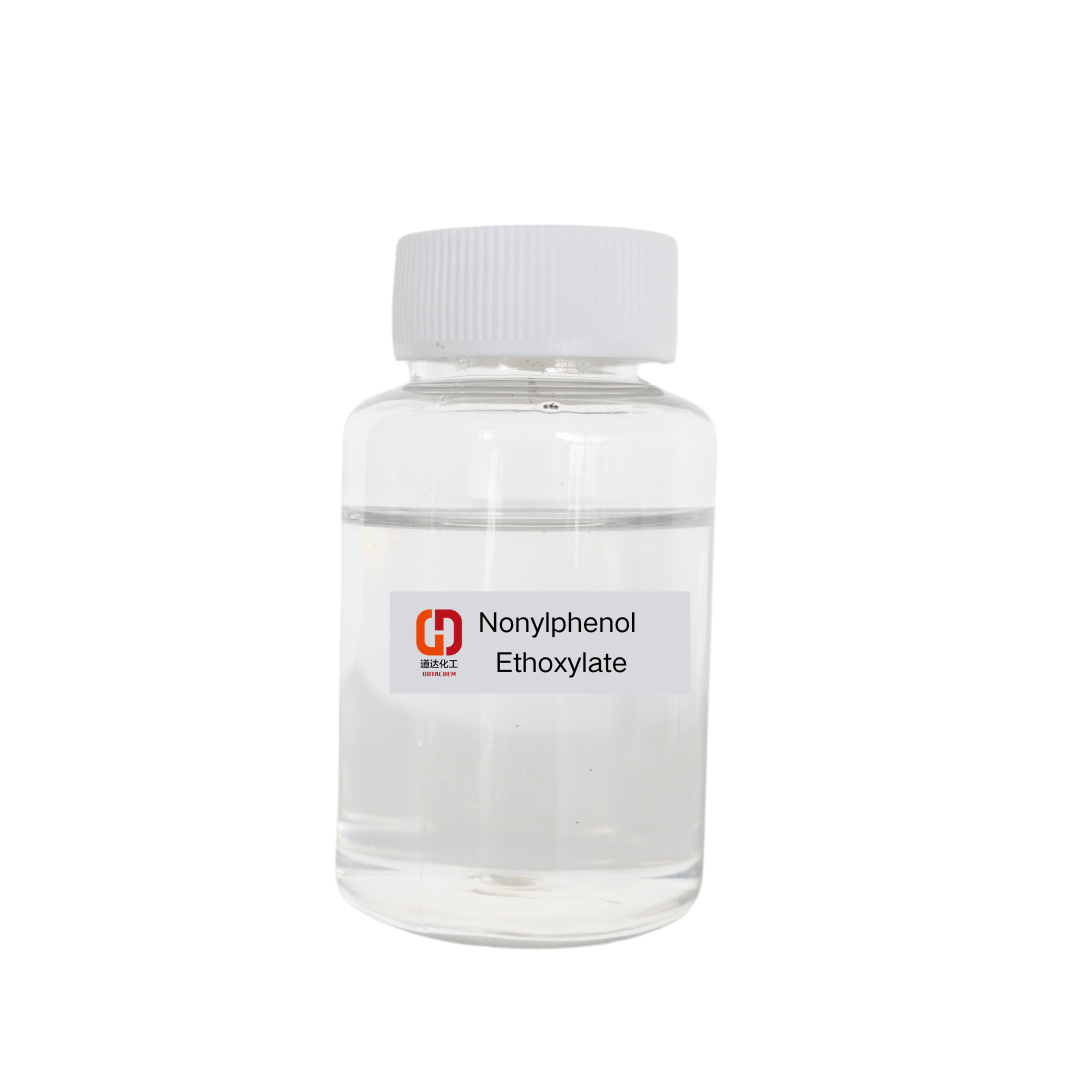
Nonylphenol Ethoxylate, often abbreviated as NPE, is a surfactant derived from nonylphenol and ethylene oxide, widely used in industrial applications such as detergents, plastics, and textiles. Its significance lies in its versatility for emulsifying and cleaning, but its production must address sustainability due to concerns over environmental persistence and toxicity, driving innovation in safer alternatives.
Sustainable production of Nonylphenol Ethoxylate involves adopting eco-friendly raw materials, such as bio-based ethylene oxide, implementing energy-efficient reactors, and optimizing processes to reduce wastewater and emissions. Factories are also exploring closed-loop systems to recycle solvents and by-products, aligning with green chemistry principles to minimize environmental impact.
Recent innovations include advanced catalytic methods that enhance reaction specificity and yield, reducing the need for harsh chemicals. Additionally, digital monitoring tools and AI-driven process control have enabled real-time adjustments for efficiency and safety, while research into biodegradable alternatives aims to phase out conventional NPE in high-risk applications.
Key environmental challenges include the release of toxic by-products like nonylphenol, which can accumulate in ecosystems and disrupt hormone systems in wildlife. Mitigation strategies involve strict wastewater treatment using activated carbon or membrane filtration, along with developing less hazardous ethoxylation processes and promoting regulatory compliance for discharge limits.
Nonylphenol Ethoxylate improves product performance by acting as an effective wetting agent, emulsifier, and dispersant. In agriculture, it enhances pesticide formulations; in textiles, it aids dyeing processes; and in household cleaners, it boosts grease removal. Its multifunctional properties make it valuable, though industry trends favor shifting to greener surfactants where possible.
Factory insights, gathered from on-site data, employee feedback, and pilot studies, drive sustainable NPE production by identifying inefficiencies and opportunities for improvement. They help tailor technologies to specific operational needs, foster collaboration with research institutions, and ensure that innovations are cost-effective and scalable in real-world settings.
Conclusion
The manufacturing of nonylphenol ethoxylate is rapidly transforming through the implementation of eco-friendly strategies that prioritize sustainability and innovation. By focusing on advancements that reduce the environmental impact of chemical synthesis, producers are embracing innovative technologies to create safer production processes. These efforts include the development of closed-loop systems, advanced catalytic methods, and real-time monitoring to minimize waste and emissions, ensuring that operations align with stringent environmental standards while maintaining product quality and safety.
Furthermore, enhancing efficiency through sustainable raw material sourcing has become a cornerstone of modern production, as companies tailor solutions to meet evolving industry demands. By integrating renewable feedstocks and optimizing supply chains, factories are setting new benchmarks in green chemical manufacturing. Looking ahead, future directions point toward continuous innovation in eco-friendly alternatives, digitalization, and circular economy models, driving the industry toward a more sustainable and competitive future where environmental stewardship and technological progress go hand in hand.
Contact Us
Contact Person: Levi
Email: [email protected]
Tel/WhatsApp: +86 532 84688720
Website: https://www.polykem-intl.com