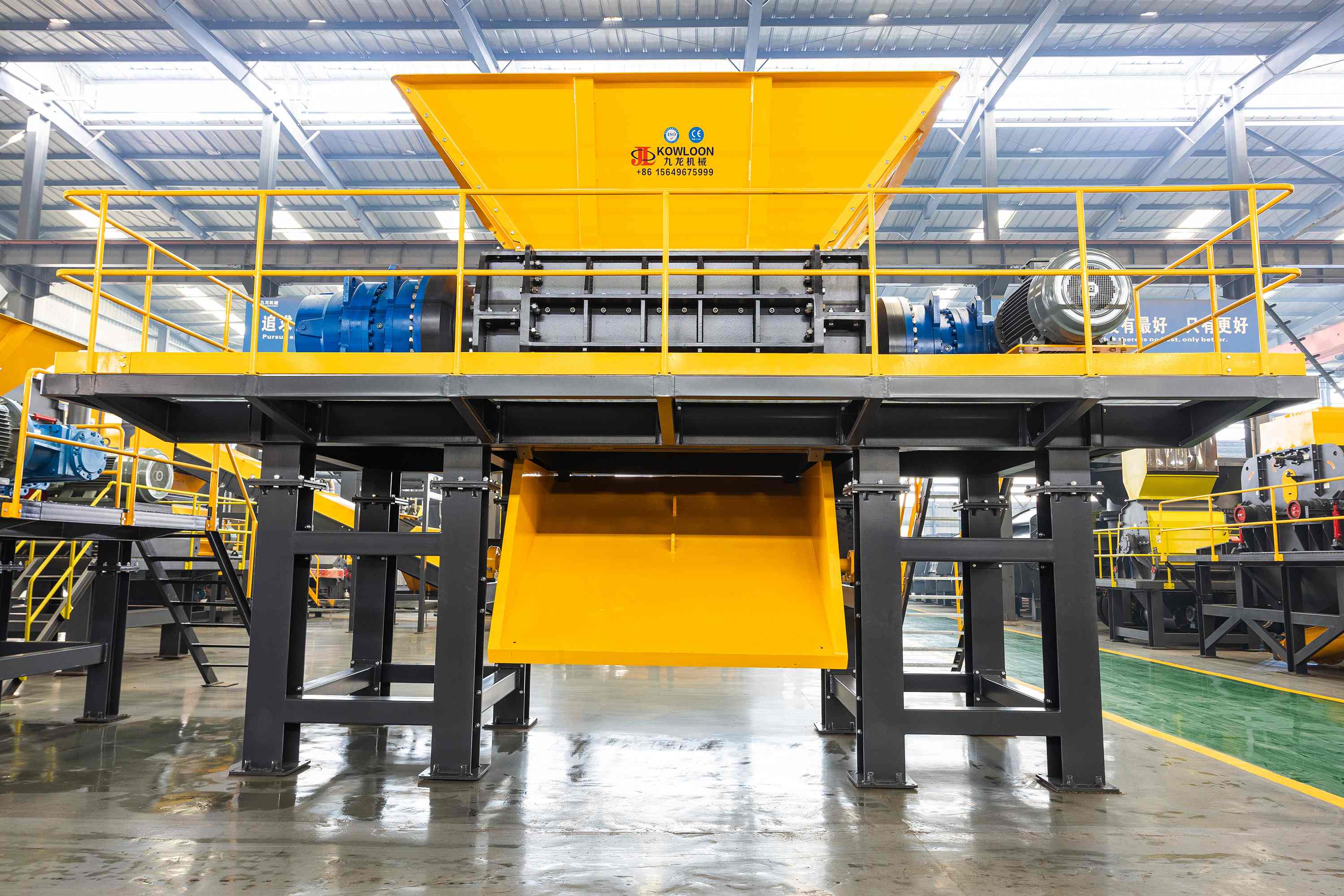

Biomass Shredder: The Ultimate Guide to Choosing the Best Machine for Efficient Bio-Waste Processing
2026-04-18
In today's eco-conscious world, managing bio-waste isn't just about disposal—it's a crucial step toward sustainable practices. From agricultural leftovers to municipal green waste, finding efficient processing solutions can transform what's often seen as a burden into valuable resources. That's where a reliable biomass shredder steps in. Welcome to the ultimate guide for navigating the complexities of choosing the best machine to tackle your bio-waste challenges seamlessly. Here, we'll explore cutting-edge technologies, practical tips, and industry insights tailored to maximize efficiency and sustainability. At Kowloon Machinery, we're passionate about empowering businesses and communities with innovative tools that not only meet but exceed environmental goals. Get ready to unlock transformative solutions that make waste processing smarter and more impactful. Let's dive in!
Breaking Down Biomass: How Modern Shredders Transform Organic Waste
Traditional waste management often struggles with bulky organic materials, but modern shredders are changing the game by efficiently breaking down biomass into manageable pieces. These machines, equipped with sharp rotating blades or hammer mills, can process everything from garden trimmings to agricultural residues, reducing volume by up to 80%. This not only makes transportation easier but also accelerates the decomposition process, allowing waste to be repurposed more quickly for composting or energy production.
Beyond just size reduction, advanced shredders incorporate smart features like variable speed controls and automatic sensors that adjust based on material density. For instance, some models can detect moisture levels in wood chips or food scraps, optimizing the shredding process to conserve energy and minimize wear. This innovation ensures that even wet or fibrous biomass, which might clog older equipment, is handled smoothly, paving the way for more consistent output in industries like biofuel manufacturing or soil amendment production.
The environmental impact is significant, as shredders transform what was once considered trash into valuable resources. By converting organic waste into fine particles, they enhance its utility in anaerobic digesters for biogas generation or in creating nutrient-rich compost for agriculture. This shift not only diverts waste from landfills, reducing methane emissions, but also supports circular economy models where biomass is continually reused. In essence, these machines are not just shredders; they're catalysts for sustainability, turning waste streams into streams of opportunity.
Key Features to Evaluate When Selecting Your Ideal Bio-Waste Shredder
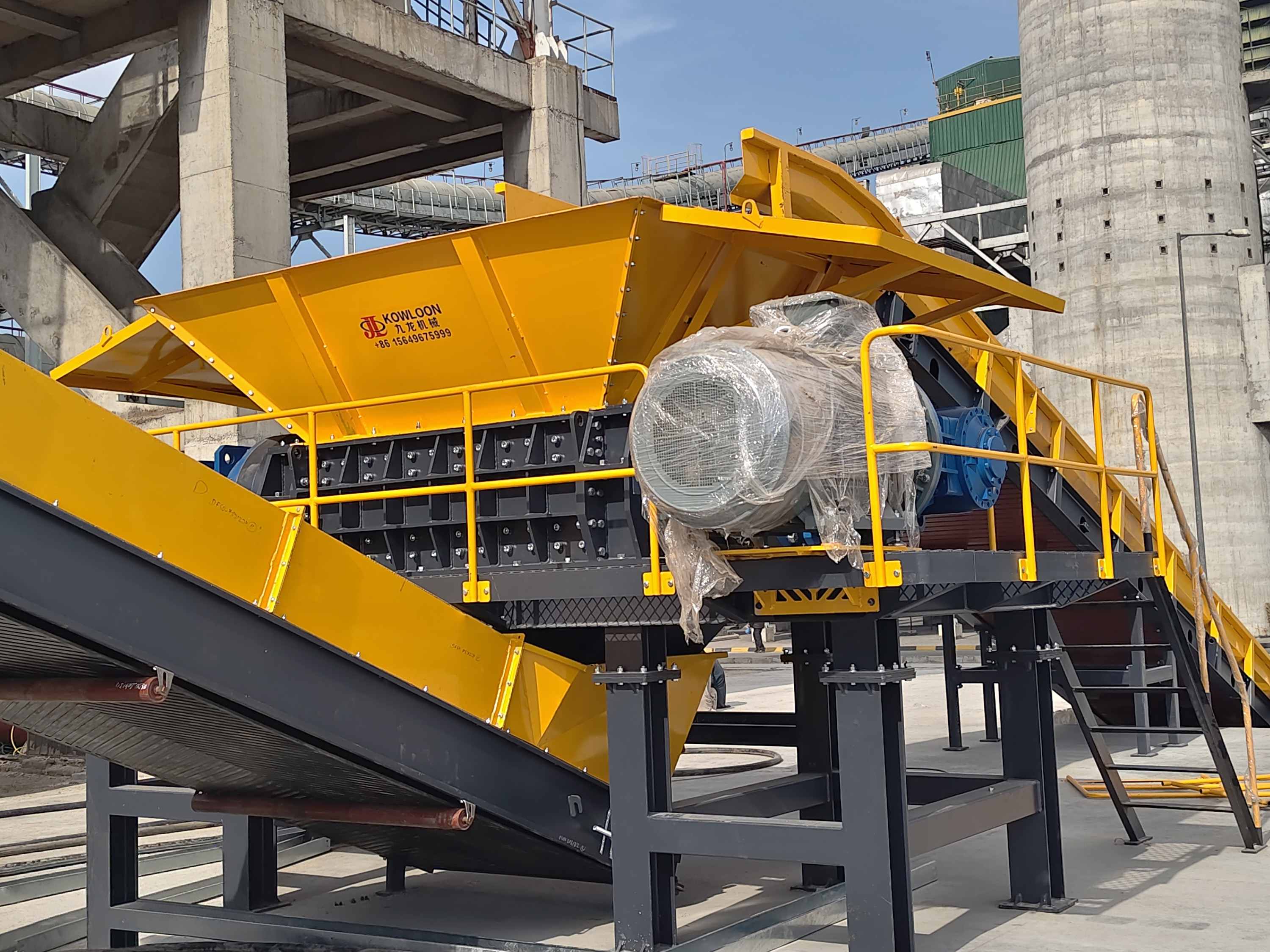
Choosing the right bio-waste shredder isn't just about picking a machine—it's about finding a solution that fits your specific needs, whether you're managing agricultural residues, food waste from a commercial kitchen, or garden clippings at a municipal facility. The right shredder can significantly enhance composting efficiency, reduce waste volume, and even turn organic matter into valuable resources like mulch or biogas feedstock. To cut through the noise, focus on features that directly impact performance and durability, steering clear of generic claims. Think about what really matters in your operation: is it the ability to handle wet, fibrous materials without jamming, or perhaps the need for a mobile unit that can be moved between sites? By prioritizing these practical aspects, you'll make an informed decision that pays off in the long run.
When evaluating shredders, start by looking at the cutting mechanism and power source. Some models use high-torque, slow-speed rotors that excel at tearing through tough branches and stalks, while others rely on fast-spinning blades better suited for softer materials like leaves and food scraps. Consider the motor type too: electric units offer quiet, emission-free operation ideal for indoor or urban settings, whereas diesel-powered options provide greater mobility and power for remote or large-scale jobs. Don't overlook safety features either—things like automatic shut-off sensors, sturdy hoppers to prevent spillage, and easy-access maintenance points can prevent accidents and downtime. It's these nuts-and-bolts details that often separate a reliable workhorse from a machine that struggles under real-world conditions.
Beyond the basics, delve into customization and environmental impact. Many modern shredders come with adjustable settings for output size, allowing you to fine-tune the shredded material for different end-uses, such as faster decomposition in compost piles or uniform mulch for landscaping. Check if the design minimizes noise and dust emissions, which is crucial for use in populated areas or to meet regulatory standards. Also, assess the build quality and warranty; a robust, corrosion-resistant frame made from materials like hardened steel can withstand the harsh, moist environments typical of bio-waste processing, ensuring longevity. By weighing these factors holistically, you'll not only boost operational efficiency but also contribute to sustainable waste management practices that align with broader environmental goals.
Comparing Shredder Types: From Industrial Heavy-Duty to Compact Models
When diving into the world of shredders, it's essential to understand the spectrum ranging from industrial heavy-duty models to compact versions. Industrial shredders are built for high-volume, continuous use in settings like factories or large offices, often handling tough materials like metal, plastic, or large quantities of paper. They feature robust motors and durable blades designed to withstand intense workloads, making them ideal for businesses with significant shredding needs.
On the other end, compact models are tailored for personal or small-office use, where space and portability are key. These shredders are lightweight, often with cross-cut or strip-cut options, suitable for shredding standard documents, credit cards, or CDs. They're perfect for home offices or small businesses looking to protect sensitive information without the bulk of larger machines.
Choosing between these types depends on factors like volume, material type, and space constraints. For instance, if you're shredding confidential files daily in a busy corporate environment, an industrial model might be necessary to prevent bottlenecks. Conversely, for occasional shredding at home, a compact shredder offers convenience and affordability without sacrificing security.
Performance Metrics That Matter for Maximizing Processing Efficiency
In the quest to boost processing efficiency, certain metrics stand out as true game-changers. Beyond just tracking CPU usage or memory consumption, savvy teams focus on end-to-end latency and throughput rates. Latency, the time it takes for a system to complete a task from start to finish, directly impacts user experience—think of how a slow response can frustrate customers or halt workflows. Throughput, on the other hand, measures how many tasks the system can handle per unit of time, ensuring scalability under heavy loads. By honing in on these metrics, organizations can pinpoint bottlenecks, optimize resource allocation, and achieve smoother, faster operations without wasting effort on less critical data.
Another often-overlooked yet vital metric is error rate or fault tolerance. In high-stakes environments like financial transactions or real-time data processing, even minor glitches can lead to significant downtime or data loss. Monitoring error rates helps teams assess reliability and resilience, enabling proactive maintenance and robust design improvements. Coupled with this, energy efficiency metrics are gaining traction as sustainability becomes a priority. By measuring power consumption per task, companies can reduce operational costs and environmental impact while maintaining peak performance—a win-win that sets forward-thinking businesses apart from the competition.
To truly maximize efficiency, it's essential to integrate these metrics into a holistic monitoring strategy. Custom dashboards that visualize latency, throughput, error rates, and energy use in real-time empower teams to make data-driven decisions swiftly. This approach not only streamlines troubleshooting but also fosters continuous improvement, allowing systems to adapt dynamically to changing demands. By prioritizing these key performance indicators, businesses can transform raw processing power into tangible results, driving innovation and staying agile in a fast-paced digital landscape.
Maintenance Tips to Extend Your Shredder's Lifespan and Reduce Downtime
Keeping your shredder in top condition doesn't have to be a chore—with a few simple habits, you can significantly boost its longevity and cut down on those frustrating breakdowns. Start by making a point to clean it regularly, especially after heavy use. Built-up paper dust and sticky residue from adhesives can gum up the internal mechanisms, causing jams and extra strain on the motor. A quick wipe with a soft cloth or a blast of compressed air every week or so goes a long way in preventing these issues. It's a small step that pays off big, ensuring smoother operation day after day.
Another key practice is being mindful of what you feed into the shredder. While it might be tempting to shred everything from thick cardboard to staples, overloading it with non-standard items can wear down the blades and motor faster. Stick to the manufacturer's guidelines for sheet capacity and material types—usually paper, credit cards, and maybe light-duty plastics if specified. If a jam does occur, resist the urge to force it; instead, unplug the machine and carefully reverse it or follow the manual's instructions to clear the blockage safely. This patience helps avoid costly repairs down the line.
Don't forget about routine maintenance like oiling, if your model calls for it. Many shredders benefit from a light application of shredder oil on the blades every couple of months to keep things running smoothly and quietly. Also, consider the environment: place your shredder in a cool, dry spot away from direct sunlight and dust, as heat and moisture can degrade components over time. By integrating these tips into your routine, you'll not only extend your shredder's life but also enjoy more reliable, hassle-free performance, saving you time and money in the long run.
Innovations in Biomass Shredding Technology: What's New on the Market
Recent advancements in biomass shredding technology are transforming how industries process organic materials, with manufacturers increasingly focusing on energy efficiency and operational flexibility. For instance, the introduction of intelligent control systems allows operators to adjust shredding parameters in real-time, optimizing throughput and reducing energy consumption by up to 25% compared to older models. These systems often integrate sensors that monitor material consistency and machine wear, enabling predictive maintenance to minimize downtime. This shift toward smarter, more adaptive shredders is particularly beneficial for facilities handling diverse biomass types, from agricultural residues to industrial waste, ensuring consistent output quality while lowering operational costs.
Beyond efficiency gains, new market offerings emphasize enhanced durability and reduced environmental impact. Innovations include the use of advanced composite materials for shredding components, which resist corrosion and abrasion better than traditional steel, extending equipment lifespan and reducing maintenance needs. Some models now feature noise-dampening enclosures and dust suppression systems, addressing workplace safety concerns and regulatory requirements. These improvements are driven by feedback from sectors like bioenergy and recycling, where reliable, low-impact shredding is critical. By prioritizing longevity and eco-friendliness, manufacturers are not only meeting customer demands but also contributing to more sustainable waste-to-resource cycles.
Another trend reshaping the biomass shredding landscape is the development of modular and mobile shredding units, which offer greater versatility for on-site processing. These units can be easily transported to different locations, such as farms or construction sites, allowing for decentralized biomass management and reducing transportation costs. Coupled with innovations in cutting geometries and rotor designs, these shredders achieve finer, more uniform particle sizes, which enhances downstream processes like pelletization or digestion. As the market evolves, these integrated solutions are enabling smaller-scale operations to adopt modern shredding technology, expanding access and fostering innovation across the biomass value chain.
FAQ
A biomass shredder is a machine designed to break down organic materials like agricultural residues, wood chips, or food waste into smaller, uniform pieces. It's crucial because it accelerates decomposition, reduces waste volume, and prepares materials for further uses such as composting, energy production, or soil amendment, making bio-waste management more efficient and sustainable.
Assess your daily or weekly bio-waste volume, the types of materials you process (e.g., wet or dry, soft or hard), and your operational space. For small-scale farms, a compact shredder with 5-10 tons per hour capacity might suffice, while industrial facilities often need high-capacity models exceeding 20 tons per hour to handle large waste streams effectively.
Prioritize machines with robust construction, such as hardened steel blades and heavy-duty frames, to withstand abrasive materials. Look for features like overload protection, easy maintenance access, and weather-resistant components if operating outdoors, ensuring longevity and reduced downtime in demanding environments.
Always use personal protective equipment, keep hands and loose clothing away from moving parts, and ensure the machine is on stable ground. Regularly inspect for wear and tear, and follow manufacturer guidelines for shutdown procedures to prevent accidents like jams or kickbacks during bio-waste processing.
By processing bio-waste into usable forms, it supports circular economy practices—such as creating compost for agriculture or feedstock for biogas plants. This reduces landfill usage, cuts greenhouse gas emissions, and promotes resource recovery, aligning with eco-friendly goals in waste management.
Perform daily checks for blade sharpness and debris buildup, lubricate moving parts weekly, and conduct thorough inspections monthly for signs of corrosion or damage. Clean the machine after each use to prevent contamination and schedule professional servicing annually to address any mechanical issues promptly.
Yes, many modern shredders are versatile, equipped with adjustable settings or interchangeable blades to process various materials, from soft garden trimmings to tough woody biomass. However, it's vital to match the machine's specifications to your specific waste types to avoid inefficiencies or damage.
Investing in a reliable shredder reduces waste disposal costs by minimizing volume, generates revenue from selling processed materials like mulch or biofuel, and lowers labor expenses through automation. Over time, these savings and potential income streams often outweigh the initial purchase and maintenance costs.
Conclusion
Modern biomass shredders are revolutionizing organic waste processing by efficiently breaking down various materials—from agricultural residues to municipal green waste—into manageable outputs. These machines play a crucial role in waste-to-energy and composting operations, transforming bulky biomass into uniform pieces that enhance subsequent processing. When selecting a shredder, it is essential to evaluate key features such as cutting mechanisms, throughput capacity, and power sources to ensure alignment with specific bio-waste types and operational goals. Additionally, comparing different shredder types—from industrial heavy-duty models designed for large-scale facilities to compact units suitable for smaller enterprises—helps in identifying the most appropriate solution. Innovations in technology, including automated controls and improved material handling, further enhance these machines' capabilities, making them more efficient and user-friendly.
Achieving maximum efficiency in bio-waste processing requires a focus on performance metrics like processing speed, particle size consistency, and energy consumption. By monitoring these factors, operators can optimize shredder output and reduce operational costs. Regular maintenance, such as routine blade sharpening and lubrication, is vital to extending the equipment's lifespan and minimizing downtime, ensuring consistent performance over time. Staying informed about the latest innovations, such as advanced shredding techniques and eco-friendly designs, allows businesses to adapt to evolving market demands and regulatory standards. Ultimately, a well-chosen biomass shredder, supported by proper evaluation and upkeep, contributes significantly to sustainable waste management practices and overall operational success.
Contact Us
Contact Person: Ray
Email: [email protected]
Tel/WhatsApp: +86 13733817580
Website: https://www.zzkowloon.com/